The SIS Group (the Mauritius-based holding company for both GCC and SIS Inspections) is pleased to...
LNG Market Dynamics: Europe vs Africa
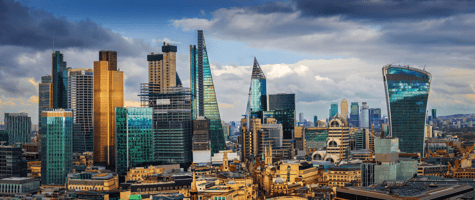
By 2027, the European Union will implement a complete ban on Russian natural gas imports, marking a pivotal shift in its energy landscape. This decision, formalized in January 2026, prohibits liquefied natural gas (LNG) imports from Russia starting January 1, 2027, and pipeline later in the year. Driven by geopolitical tensions following Russia's 2022 invasion of Ukraine, the ban aims to eliminate the remaining 13% of EU gas supplied by Russia in 2025, valued at over €15 billion annually. Europe's LNG market will undergo profound changes, transitioning from a hybrid pipeline-LNG system heavily reliant on Russian supplies to one dominated by diversified seaborne imports.
In 2027, Europe will accelerate its pivot to alternative suppliers. The USA, already providing 56.6% of EU LNG imports in 2025 (about 60 million metric tons), will likely expand its role, alongside increased volumes from Qatar, Canada, and North Africa. This diversification necessitates infrastructure upgrades, including expanded regasification terminals and interconnections, to handle an additional 20-30 billion cubic meters (bcm) of non-Russian LNG annually. However, this shift raises concerns about swapping Russian dependence for USA vulnerability, especially amid U.S.-EU tensions over trade and resources. Prices may fluctuate initially due to tighter global supplies, but EU demand is projected to drop by 40-50 bcm by 2027 through energy efficiency measures and renewables acceleration, mitigating some risks. This evolution represents the largest structural shift in global LNG trade in the past decade as it ends decades of Eurasian pipeline dominance.
In Africa, LNG trade flows remain strategic with many areas undersupplied missing out on energy access and growth. Strategic supply occurs via LNG carriers from the USA, Qatar and Australia, delivering to import terminals and storage facilities. Storage is primarily at coastal ports, such as Ghana's Tema Port, South Africa's Richards Bay Port and Port Elizabeth's Ngqura terminal, Morocco's Nador Port, Côte d’Ivoire's Vridi Canal/Port, Egypt's Ain Sokhna, part of the Suez Governate of Egypt, and Tanzania’s Taifa gas storage in Kigamboni, Dar Es Salaam. Distribution involves re-gasification followed by pipeline transport to power plants and industries, or small-scale methods like ISO-frame tank trucks and rail for remote or intra-regional delivery.
In the final analysis, it is clear that LNG plays a vital role in energy security, food security and in accelerating Africa's green transition.